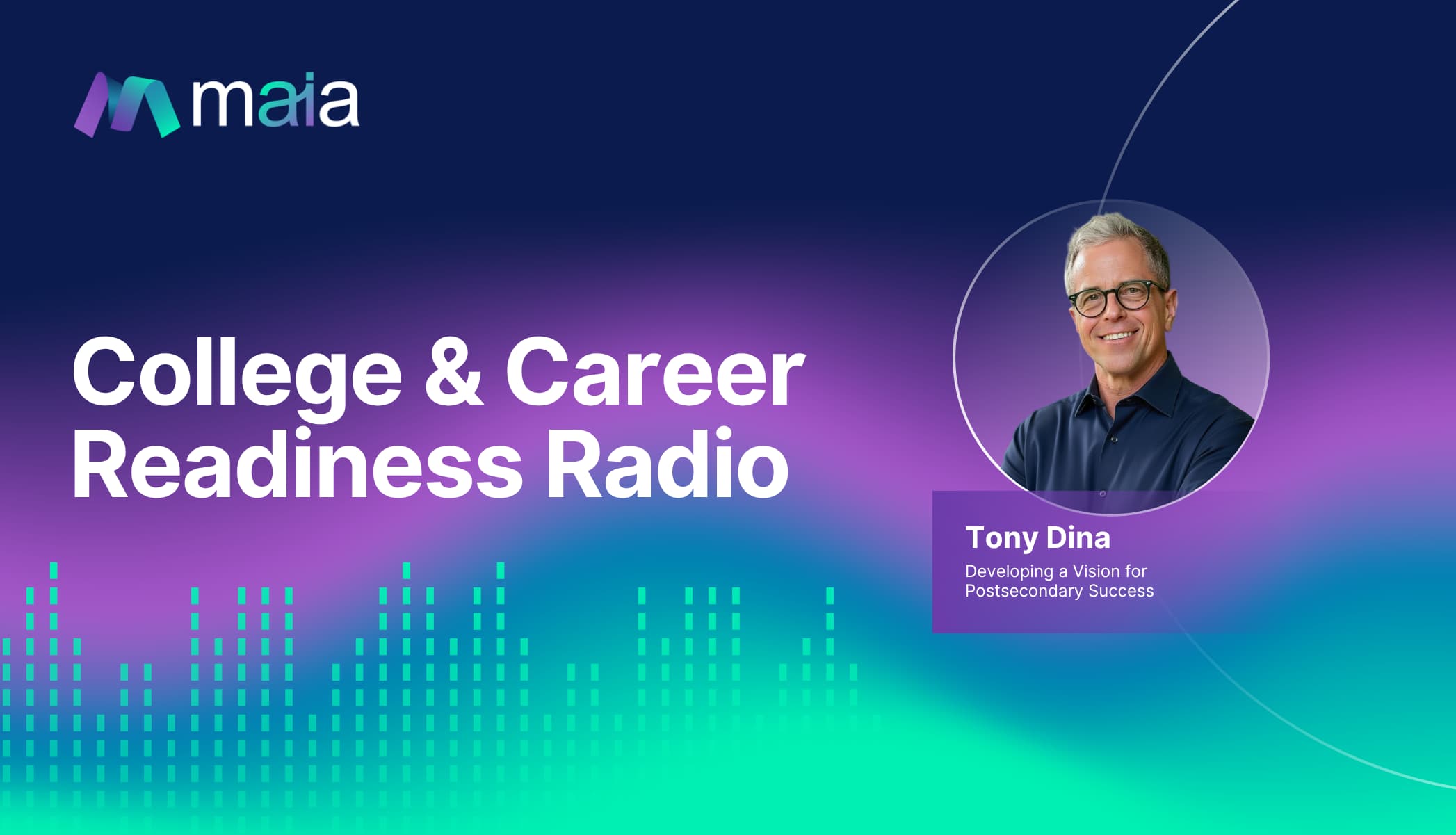
Tony Dina's Bio
Tony Dina is a professional coach and founder of Crucial Canvas, where he helps high-performing technology leaders reclaim human judgment, creativity, and meaning in a world increasingly shaped by AI.
His path to coaching was shaped by nearly three decades in the technology industry, including roles as Field CTO and Director of AI and Data Analytics at Dell Technologies. That career gave him a front-row seat to how organizations adopt new technologies — and how leaders lose themselves in the process.
Tony's coaching integrates depth psychology, Jungian dream work, and the lived experience of navigating complex organizations. His writing on Substack — essays like "Sitting with the Mystery," "Agentic Me," and "Going to Empty" — explores the intersection of technology, inner work, and the courage it takes to sit with questions rather than rush toward answers.
He holds an MBA from the University of St. Thomas and an MFA from Cranbrook Academy of Art. He is also a certified Whiskey Sommelier.
Our guest for this episode of College & Career Readiness Radio is Tony Dina, founder of Crucial Canvas.
Tony says people often overlook their own “superpowers” because the things that come naturally to them may not feel particularly special.
He encourages students to identify behaviors others consistently recognize in them, rehearse how those strengths might show up in different situations, and become comfortable showcasing what they do well.
Tony cautions against assuming that a passion must become a career. Instead, students can identify the skills and mindsets developed through their passions and apply them to completely different fields.
He says some of the strongest technologists he has worked with came from fields such as history and evolutionary biology because different backgrounds create different ways of thinking.
Tony argues that liberal arts experiences are increasingly important in technical fields because philosophy, ethics, psychology, and other disciplines strengthen the human judgment required to use technology responsibly.
He says schools should help students use AI to improve their own thinking and writing rather than simply allowing AI to create the finished product.
Tony explains that AI can become a powerful feedback tool when students bring their own ideas and work to it and ask how they can improve.
He challenges the traditional emphasis on productivity, which is largely about accomplishing more of the same work faster.
Tony says the emerging workforce requires capacity—the ability to encounter new ideas, learn quickly, integrate different concepts, and bring them into new situations.
He believes students need opportunities to become comfortable with uncertainty instead of constantly racing toward the correct answer.
Tony says educators can help students develop this capacity by asking questions that don't necessarily have one answer and giving them space to sit with ideas before solving them.
He suggests that career readiness should include learning how to identify problems, not simply solving problems that someone else has already defined.
Tony encourages students to think beyond short-term goals and develop a longer-term vision of who they want to become, what they want their days to look like, and how they want to live.
He reminds listeners that careers rarely unfold exactly as planned. A strong vision can provide direction without requiring students to know precisely where their careers will eventually take them.
His final message applies equally to students and the educators preparing them for the future: “You are more capable than you even realize.”
College & Career Readiness Radio is brought to you by MaiaLearning, your fully comprehensive college and career planning tool, including the ability for students to set goals, write journals, and create their vision of success after high school, and more. Schedule a demo today.
.avif)